




Viofo RNF210 1080p Infrared Fisheye Cabin Camera for A229
Couldn't Load Pickup availability
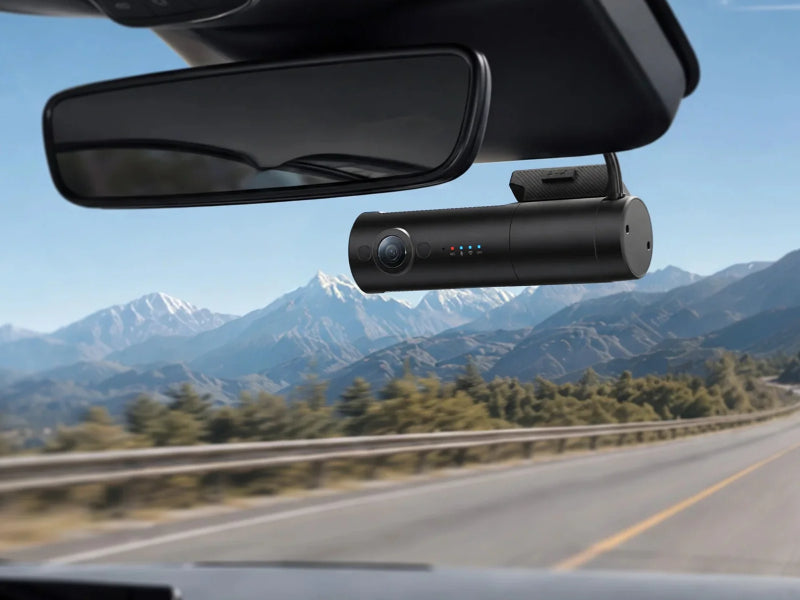
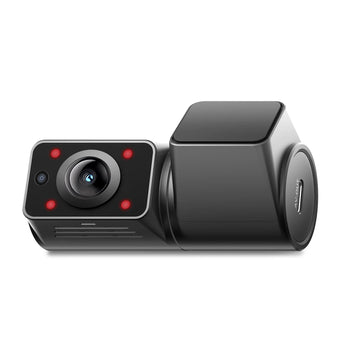
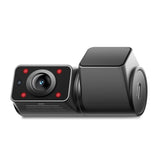
The Viofo RNF210 is a 1080p infrared fisheye cabin camera for the Viofo A229 series, using a Sony STARVIS 2 IMX662 sensor, 4 IR LEDs and a 210° fisheye view to cover the full cabin and side windows.
Supplied with a 1m cabin camera cable. A replacement 1m RNF210 cable is also available.
Key specifications
- Compatible with: Viofo A229 series
- Resolution: 1080p
- Sensor: Sony STARVIS 2 IMX662
- Field of view: 210° fisheye
- Night vision: 4 IR LEDs
- HDR: yes
- Cable: 1m cabin camera cable included
RNF210 Cabin Dashcam
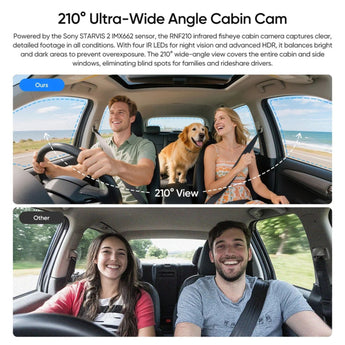
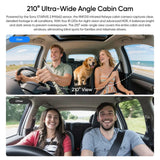
Powered by the Sony STARVIS 2 IMX662 sensor, the RNF210 captures clear, detailed footage in all conditions. Four IR LEDs provide night vision, and advanced HDR balances bright and dark areas to prevent overexposure. The 210° wide-angle view covers the entire cabin and side windows, eliminating blind spots — ideal for families and rideshare drivers.
Easy Installation
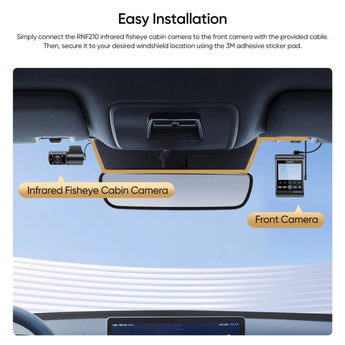
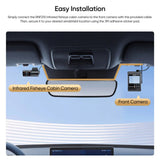
Connect the RNF210 to the front camera using the supplied cable, then secure it to your chosen windscreen position with the included 3M adhesive sticker pad.
Explore the full range in Viofo Rear Cameras.
Specification
| Article Number | RNF210 |
|---|---|
| Country of Manufacture | China |
More specs
| |
What's Included
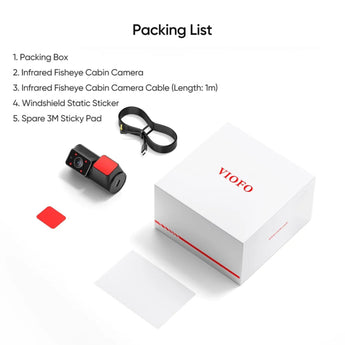
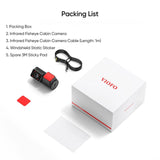
- RNF210 Infrared Fisheye Cabin Camera
- 1m Cabin Camera Cable
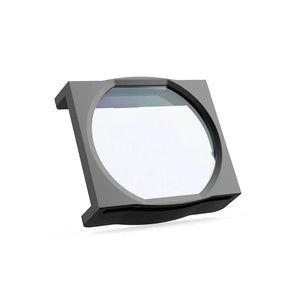
- Windshield Static Sticker
- Spare 3M Sticky Pad
Viofo
About the Viofo RNF210
From our tech experts at CEN
The RNF210 is the infrared fisheye cabin camera for the A229 series, giving a wide view of the interior that records clearly in complete darkness.
Who it suits
Taxi, private hire and Uber drivers and instructors adding cabin cover to an existing A229, and anyone replacing a damaged interior camera.
Our tech experts advise
Infrared means passengers are recorded at night without any visible light in the cabin. Mount it where it sees both front and rear seats. See all rear and cabin cameras.
Explore the full Viofo range at CEN, with fast UK dispatch and expert advice from our Nottingham team. Shop all Viofo
Recommended For You
Discover more top-rated gear, handpicked to go with what you're viewing








Viofo News & Guides
The latest Viofo product news, launches and guides from the CEN team in Nottingham.
Viofo A229 Plus vs A229 Pro: Is 4K Worth It?
Same body, same mount, same hardwire kit. The only real difference is 2K versus 4K at the front, and it...

Viofo A229 Pro vs A329S: Which Should You Buy?
Both record 4K, both take a 2K rear camera, and the price gap is bigger than the spec gap. Here...
New VIOFO Line-Up at CEN: A149 Pro, T330, T340 and the BP60 Battery Pack
VIOFO's biggest launch in years has landed at CEN: the A149 Pro Duo brings 4K and Sony STARVIS 2 to...
More from Viofo
More options from the same range, in stock and ready to go
 Best Seller
Viofo A229 Plus 1CH Dash Cam Front 1 Channel 2K Quad HD
RRP £169.95Save 11%£149.95
 New Release
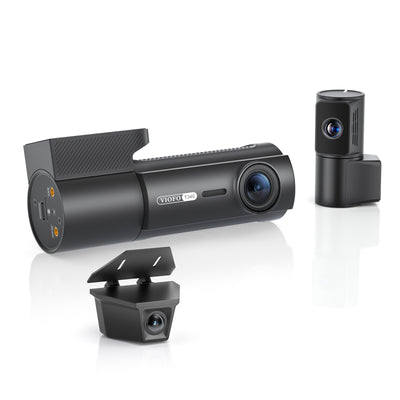
Viofo T340TW 4CH Dash Cam Front, Cabin, Telephoto & Waterproof Rear
RRP £539.95Save 7%£499.95
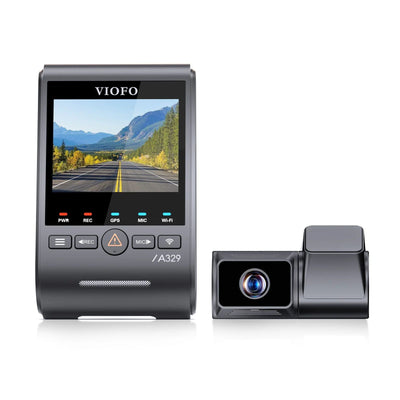
Viofo A329T 2CH Dash Cam 2 Channel 2K Telephoto 4K Front
RRP £389.95Save 7%£359.95
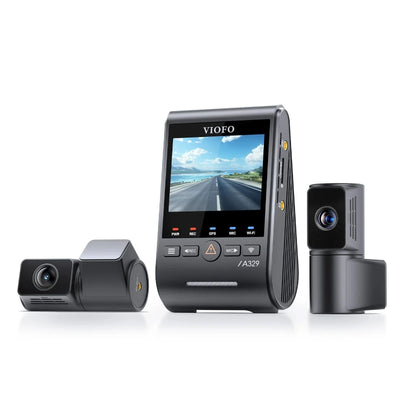
Viofo A329S 3CH Dash Cam 3 Channel 4K Front 2K Rear Cabin
RRP £459.95Save 6%£429.95
 Best Seller
Viofo 128GB Dash Camera MicroSD Card U3 A2 V30 High Speed Endurance Memory Card
(1)£69.95
Frequently Asked Questions
Q: Will the footage be accepted by my insurer or the police?
A: Dash cam footage is widely used in insurance claims and can be submitted to most UK police forces through their online portals. Recording quality matters, so check the resolution in the Specification tab.
Q: Front only or front and rear - which should I choose?
A: A front camera covers the most common claim scenarios. A two-channel system adds rear coverage for rear-end collisions and tailgating evidence, which is where many disputed claims arise. Three-channel systems add an interior view, suited to taxi and fleet use.
Q: Does the RNF210 record at night?
A: Yes. The RNF210 has four IR LEDs for night vision, and HDR balances bright and dark areas.
Q: Which dash cams does the RNF210 work with?
A: The RNF210 is designed for the VIOFO A229 series dash cams.
Q: What's in the box?
A: The RNF210 infrared fisheye cabin camera, a 1m cabin camera cable, a windscreen static sticker and a spare 3M sticky pad.
