






Viofo RC320 Rear Dash Camera 1080p HD for A229 Pro & Plus
Couldn't Load Pickup availability
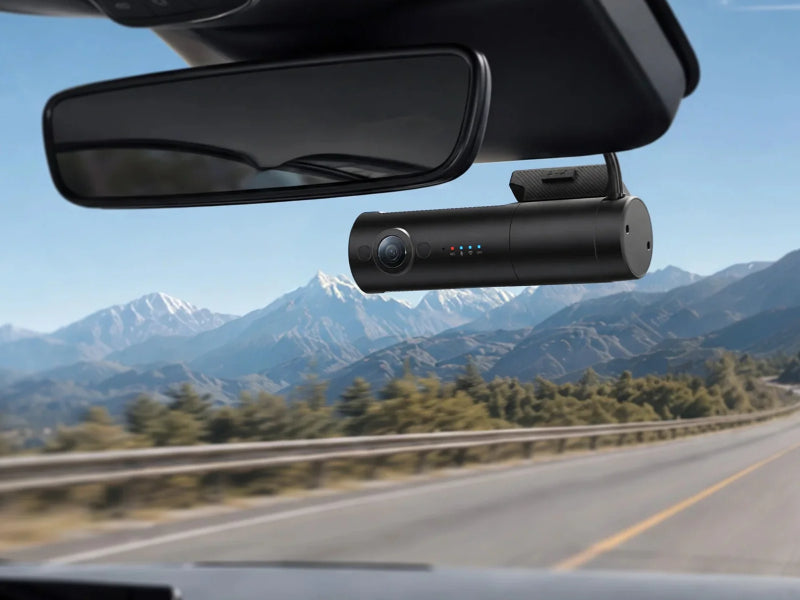
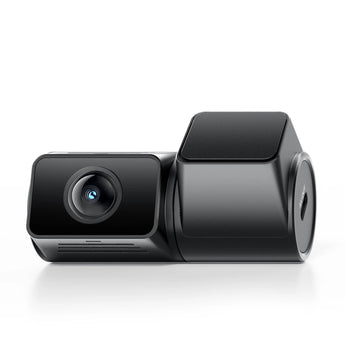
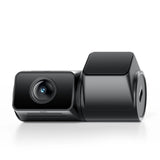
The Viofo RC320 is a 1080p HD rear dash camera for the Viofo A229 Pro and A229 Plus, using a Sony STARVIS 2 IMX662 1/2.8in 2MP sensor with HDR for clear rear footage and number plate capture day and night.
Supplied with a 6m rear camera cable. A replacement 6m RC320 cable is also available.
Key specifications
- Compatible with: Viofo A229 Plus and A229 Pro
- Resolution: 1080p
- Sensor: Sony STARVIS 2 IMX662, 1/2.8in 2MP
- HDR: Yes
- Cable: 6m rear camera cable included
- Mounting: 3M adhesive pad on the rear windscreen
RC320 Rear Dashcam
The RC320 records in 1080p using a Sony STARVIS 2 1/2.8in 2MP image sensor. The sensor delivers a wider dynamic range than a standard STARVIS pixel of the same size, producing clear, sharp footage during both daytime and night-time recording.
HDR Capability
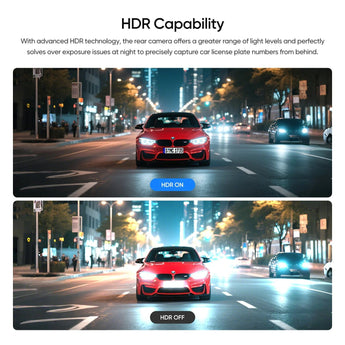
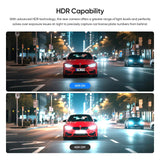
Advanced HDR technology extends the camera's range of light levels and reduces overexposure at night, helping to capture vehicle number plates clearly from behind.
Easy Installation
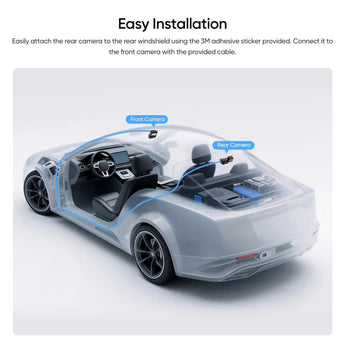
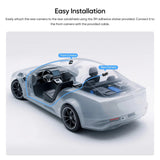
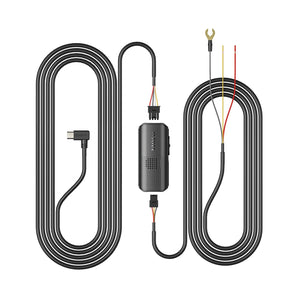
Attach the RC320 to the rear windscreen using the included 3M adhesive pad, then connect it to the front camera using the supplied 6m cable. To keep your A229 recording while parked, a Viofo HK4 hardwire parking mode cable is also available for the A229 series.
Explore the full range in Viofo Rear Cameras.
Specification
| Article Number | RC320 |
|---|---|
| Country of Manufacture | China |
More specs
| |
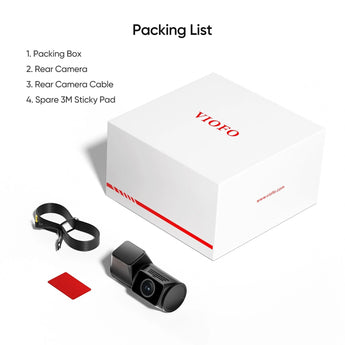
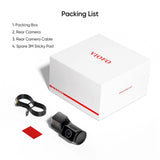
What's Included
- RC320 Rear Camera
- 6m Rear Camera Cable
- Spare 3M Sticky Pad
Viofo
About the Viofo RC320
From our tech experts at CEN
The RC320 is the 1080p rear camera module for the A229 Pro and A229 Plus, the same unit supplied in the 2-channel kits.
Who it suits
Owners replacing a damaged rear camera, and anyone upgrading a single-channel A229 to front and rear cover.
Our tech experts advise
Check the cable length you need before ordering, as the run to a tailgate is longer than to a saloon rear screen. See all rear and cabin cameras.
Explore the full Viofo range at CEN, with fast UK dispatch and expert advice from our Nottingham team. Shop all Viofo
Recommended For You
Discover more top-rated gear, handpicked to go with what you're viewing








Viofo News & Guides
The latest Viofo product news, launches and guides from the CEN team in Nottingham.
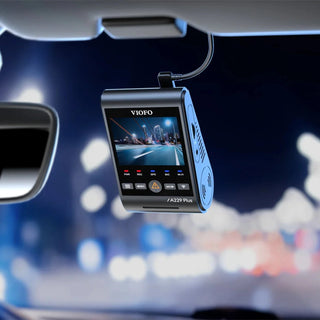
Viofo A229 Plus vs A229 Pro: Is 4K Worth It?
Same body, same mount, same hardwire kit. The only real difference is 2K versus 4K at the front, and it...

Viofo A229 Pro vs A329S: Which Should You Buy?
Both record 4K, both take a 2K rear camera, and the price gap is bigger than the spec gap. Here...
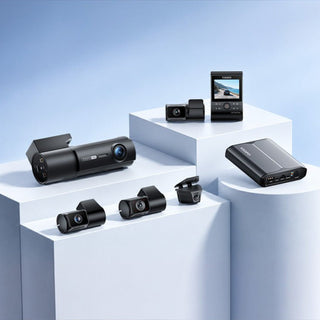
New VIOFO Line-Up at CEN: A149 Pro, T330, T340 and the BP60 Battery Pack
VIOFO's biggest launch in years has landed at CEN: the A149 Pro Duo brings 4K and Sony STARVIS 2 to...
More from Viofo Rear Cameras
More options from the same range, in stock and ready to go

Viofo RNF210 1080p Infrared Fisheye Cabin Camera for A229
RRP £79.95Save 12%£69.95

Viofo RTC420 2K 4x Zoom Telephoto Dash Camera for A329T
RRP £99.95Save 20%£79.95

Viofo RWC400 Waterproof IP67 Rear Camera 2K HDR for A329 Series Dash Cameras
£79.95

Viofo RTC320 2K 4x Zoom Telephoto Dash Camera for A229
RRP £99.95Save 20%£79.95

Viofo RCC360 2K Infrared Fisheye Cabin Camera for A329S
RRP £99.95Save 20%£79.95
Frequently Asked Questions
Q: Will the footage be accepted by my insurer or the police?
A: Dash cam footage is widely used in insurance claims and can be submitted to most UK police forces through their online portals. Recording quality matters, so check the resolution in the Specification tab.
Q: Front only or front and rear - which should I choose?
A: A front camera covers the most common claim scenarios. A two-channel system adds rear coverage for rear-end collisions and tailgating evidence, which is where many disputed claims arise. Three-channel systems add an interior view, suited to taxi and fleet use.
Q: Which dash cams does the RC320 work with?
A: The RC320 rear camera is compatible with the VIOFO A229 Plus and A229 Pro.
Q: How long is the RC320 cable?
A: The RC320 comes with a 6m rear camera cable to connect it to the front camera.
Q: What's in the box?
A: The RC320 rear camera, a 6m rear camera cable and a spare 3M sticky pad.
