

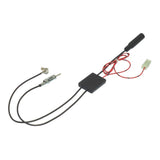

DAB FM Car Din Amplifier Antenna Aerial Splitter Converter to Digital Radio
Couldn't Load Pickup availability
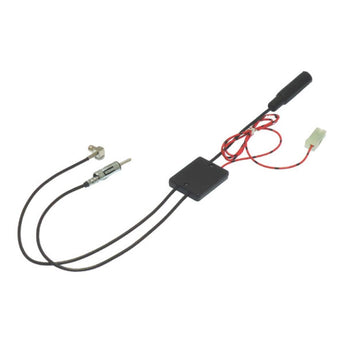
This DAB and FM aerial splitter amplifier takes the signal from a car's existing DIN-connector FM aerial, amplifies it and splits it into separate FM and DAB feeds, so you can add DAB digital radio without fitting a new aerial. It is for cars with original passive (non-amplified) antennas.
Key specifications
- Input: original DIN aerial connector
- Outputs: FM and DAB
- DAB connector: SMB
- Power: separate 12V feed, or 5V phantom power from the DAB unit
- Suitable antennas: original passive (non-amplified) antennas only
DIN antenna splitter to DAB and FM
This interface amplifies the existing FM signal and extracts a DAB signal from it, splitting your original DIN aerial into separate FM and DAB outputs.
Only to be used on cars with original passive (non-amplified) antennas.
Designed for cars with DIN original antenna connectors. It can be used on other vehicles with the addition of a suitable antenna adapter. If you need to extend your aerial lead, a Fakra Z antenna extension cable is also available.
- Takes a separate 12V supply feed, or works with the 5V phantom power supplied by most DAB units via the DAB connection.
- Splits the existing FM antenna into both FM and DAB outputs.
- SMB connector for DAB radios.
This splitter is designed for passive or non-amplified antennas only. Many cars with amplified antennas have filters built into the amplifier that block the frequencies DAB is transmitted on, making this unit unsuitable for those vehicles.
Explore the full range in CEN Enclosures, Wiring & Accessories.
Specification
| Type | Wiring |
|---|---|
| Article Number | DABFMSPLIT |
| Country of Manufacture | China |
More specs
| |
What's Included
- DAB FM Din Splitter
CEN
About the CEN DABFMSPLIT
From our tech experts at CEN
A DAB splitter, letting one aerial feed both DAB and FM reception.
Who it suits
Anyone fitting an aftermarket stereo, since factory aerial plugs differ by manufacturer and rarely match. A splitter is what lets a DAB head unit work with an existing aerial rather than needing a second one.
Our tech experts advise
Reception problems after a stereo fitting nearly always trace back to the aerial, its adaptor or its earth rather than the head unit. get in touch if reception disappoints after a fitting. See car stereo installation.
Explore the full CEN range at CEN, with fast UK dispatch and expert advice from our Nottingham team. Shop all CEN
Recommended For You
Discover more top-rated gear, handpicked to go with what you're viewing






More from CEN Enclosures, Wiring & Accessories
More options from the same range, in stock and ready to go
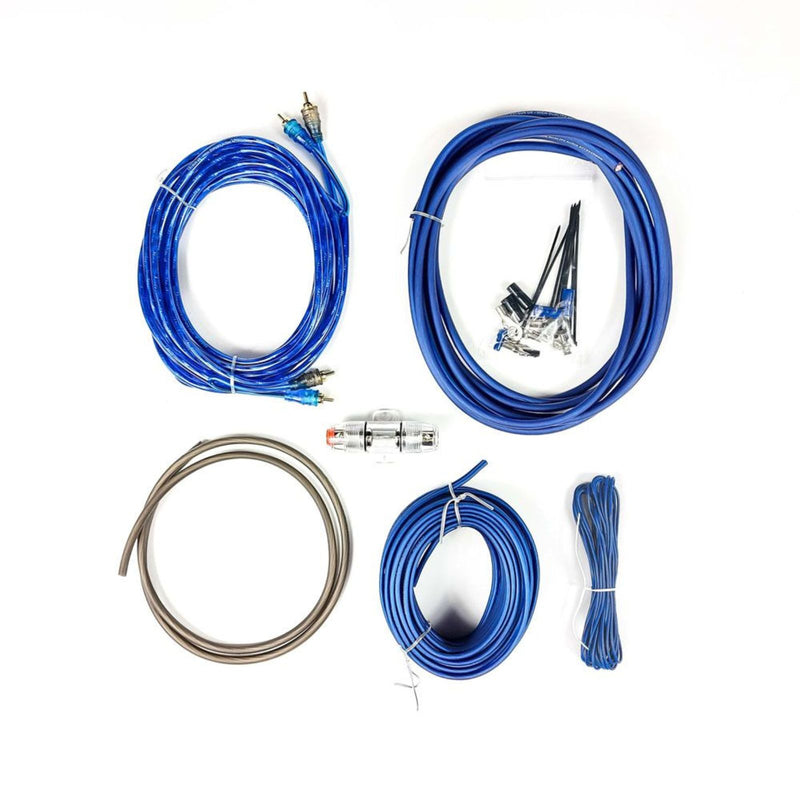
CCA Amplifier Wiring Kit CNK8A 8 AWG Car Amp Power Kit
£19.99
View product
Male ISO to Bare Power and Speaker Wire Car Stereo Radio Harness Adaptor Cable
£9.95

VW Volkswagen Transporter T5 T6 T6.1 Under Seat MDF Sub Box Subwoofer Enclosure
£149.00
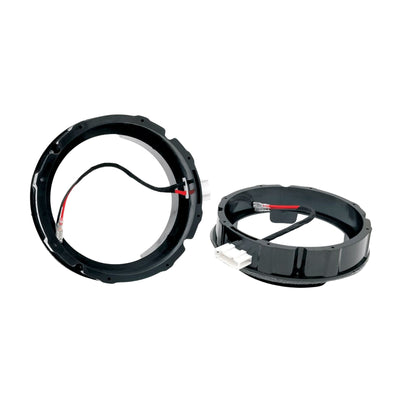
6.5 Inch VW Car Door Speaker Adapters for Volkswagen and Skoda SAVW30
£24.99
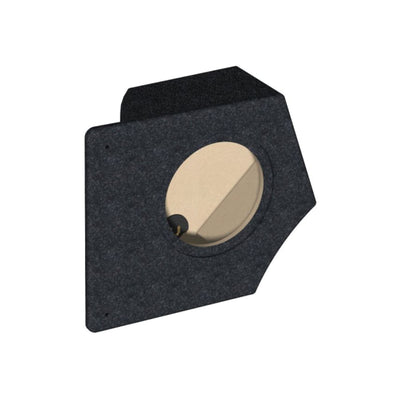
VW Transporter Wheel Arch 10" Sub Subwoofer Enclosure for Volkswagen T5 T6 T6.1
£199.00
Frequently Asked Questions
Q: Will this DAB splitter work with my car's aerial?
A: It is designed for cars with original passive (non-amplified) antennas, traditionally roof-mounted whip antennas on Asian, American and older European cars. Many newer European cars, such as BMW, Mercedes and Volkswagen, have hidden glass or shark fin antennas with built-in amplifiers and filters that block DAB frequencies, so check the type of antenna fitted before buying.
Q: How is the DAB FM splitter powered?
A: It takes a separate 12V supply feed, and it can also run from the 5V phantom power that most DAB units supply through the DAB connection.
Q: What connectors does the splitter have?
A: It connects to the car's original DIN aerial connector and provides an FM output plus an SMB connector for the DAB radio. Cars without a DIN aerial connector can use it with an additional antenna adapter.
Not Sure Where to Start?
Straightforward advice and the latest news from our Nottingham team.
All Guides and News →
Car Audio
Helix Compose i5 Expands: FlexMount Speakers for Cars That Fight Back
Read more →
Car Audio
Pioneer Perfect Fit 9-Inch Stereos: Fitting Kits and Every Car They Fit (2026)
Read the guide →
Car Audio
BMW Speaker Upgrades Explained: Where to Start and What Fits
Read the guide →
Car Audio
Christmas Gift Guide 2026: Car Audio, Dash Cams and Outdoor Tech
Read the guide →
Car Audio
Upgrading Car Audio Without Replacing the Factory Stereo
Read the guide →
Car Audio
Amplifier Wiring Kits Explained: Gauge, Fuses and Earths
Read the guide →