







Couldn't Load Pickup availability
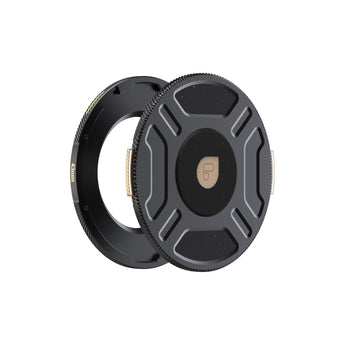
Mini MagLock
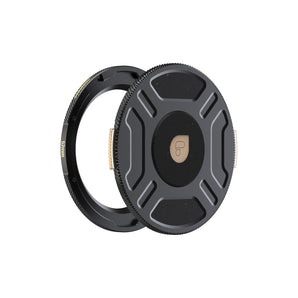
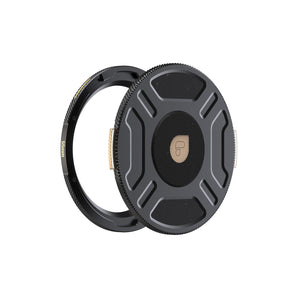
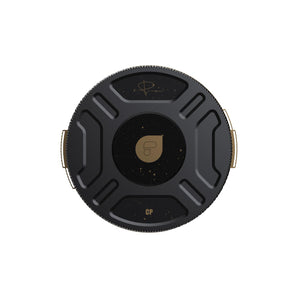
43mm Base Plate and Lens Cap
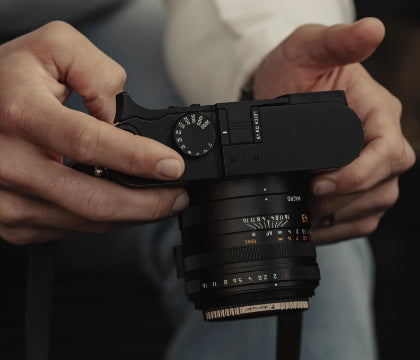
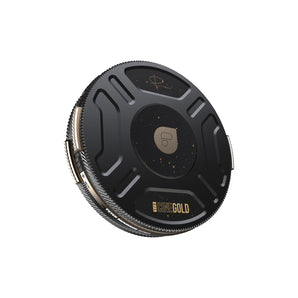
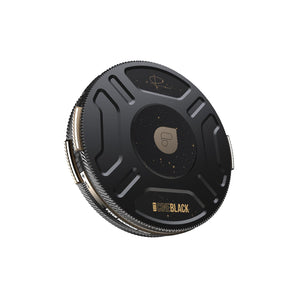
We wanted to bring our Helix Maglock filter system to the smaller point and shoot cameras so we shrunk it down to fit the Leica Q3 and Fuji X100VI sized cameras. We have base plates specifically for the Q3 and X100VI so no adapters are needed as well as standard baseplates for traditional lenses up to 55mm threads.
- Compatible with other camera lenses with threads from 43mm to 55m BasePlates Required
- Each Filter includes front and rear aluminum defender (replaces your lens cap).
- Mag-Lock fully locks down and does not come off until you unlock it.
Explore the full range in PolarPro Peter McKinnon Edition.
Specification
| Series | Peter Mckinnon |
|---|---|
| Article Number | MINIMAG-43 |
| Country of Manufacture | China |
More specs
| |
What's Included
- 43mm Base Plate
- Front Defender Lens Cap
About the brand
PolarPro
Recommended For You
Discover more top-rated gear, handpicked to go with what you're viewing

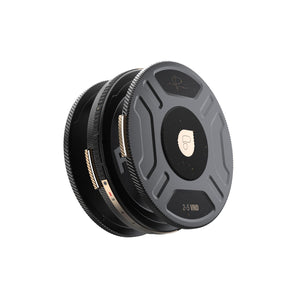
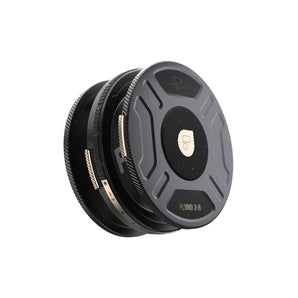



Long Exposure
Controls light, unlocking cinematic shutter speeds or long exposure
Explore Now Controls light, unlocking cinematic shutter speeds or long exposure
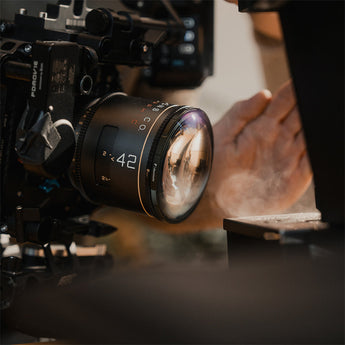
Why you need a CPL Filter
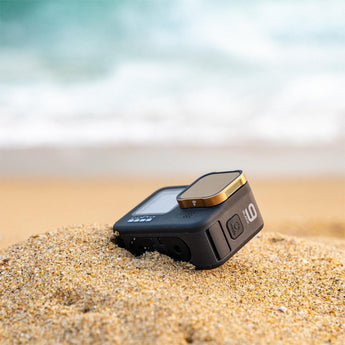
Fine Tune your polarisation and achieve hyper neutral colour rendition. The Staple Filter in every photographers bag, reduce reflections and increase color depth.






More from PolarPro Peter McKinnon Edition
More options from the same range, in stock and ready to go

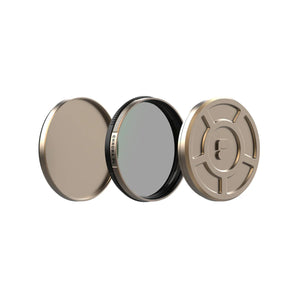 Popular PolarPro McKinnon 135 Series Filter 49mm Chroma PL Circular Polariser Lens CPL £79.99 /Low stock
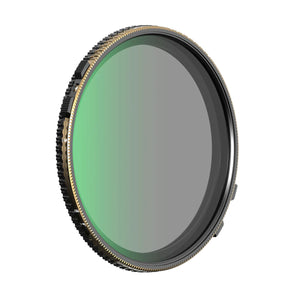 Highly Rated PolarPro Peter McKinnon Chroma VND/PL 2-5 Stop 82mm CP Polariser Lens CPL Filter £269.99 /Low stock
-
 Popular PolarPro McKinnon 135 Series Filter 82mm 1/4 Black Mist Diffusion Chroma Glass £119.99 /Low stock
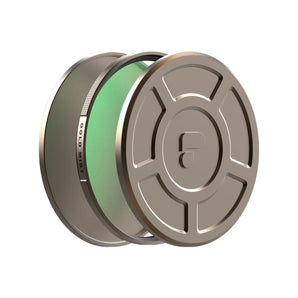 Popular PolarPro McKinnon 135 Series Filter 82mm 1/4 Gold Mist Diffusion Chroma Glass £119.99 /Low stock
-
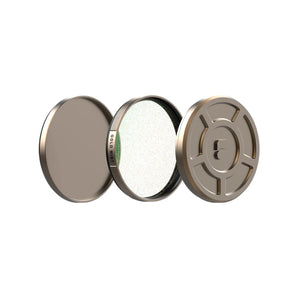 Popular PolarPro McKinnon 135 Series Filter 49mm 1/4 Gold Mist Diffusion Chroma Glass £79.99 /Low stock
 -
PolarPro Peter McKinnon Chroma VND/PL 2-5 Stop 77mm CP Polariser Lens CPL Filter £249.99 /Low stock


Frequently Asked Questions
Q: Which filter do I need - ND, polariser or variable ND?
A: A polariser cuts glare and deepens colour. Fixed ND filters reduce light by a set amount for controlled shutter speeds. Variable NDs adjust across a range, making them the flexible choice for video. The filter type and strength are listed in the Specification tab.
Q: Will this filter fit my lens or drone?
A: Filters are made per thread size or per drone model. Check the size in the product title and Specification tab against your lens thread or drone model, or contact CEN to confirm.
Q: Why use an ND filter for video?
A: An ND filter lets you keep your shutter speed at roughly double your frame rate in bright light, which produces natural motion blur instead of a harsh, choppy look.
Q: Do filters degrade image quality?
A: Quality glass filters are designed to be optically neutral. Cheap filters can introduce colour casts and softness, which is why we stock cinema-grade brands with strong colour accuracy.
