





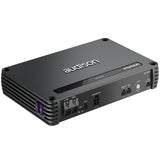
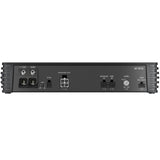

Audison Forza AF M1D Amplifier 1 Channel Mono Subwoofer Class D Amp 1200w RMS
Couldn't Load Pickup availability
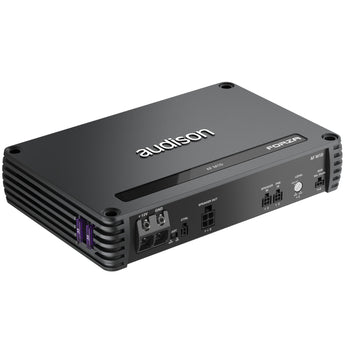
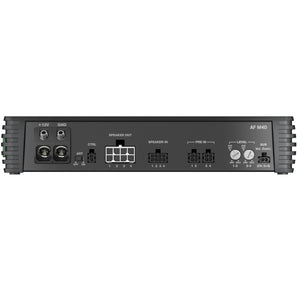
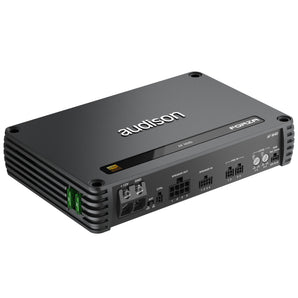
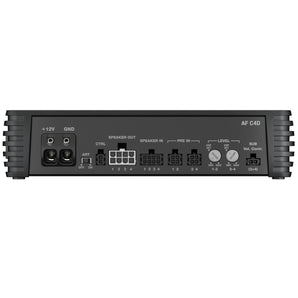
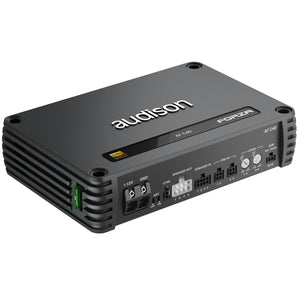
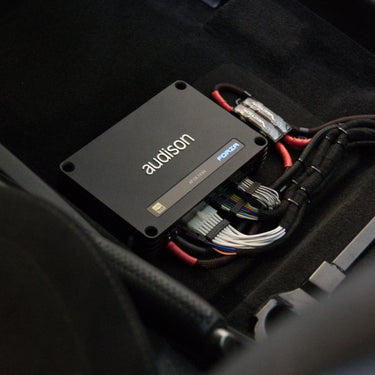
The Audison Forza AF M1D is a 1-channel mono Class D subwoofer amplifier rated at 1200 W RMS at 1 ohm, part of the Audison Forza range. It is designed as a companion amp for AF bit processor amplifiers or for use with a standalone bit processor.
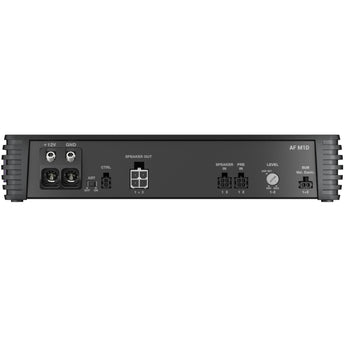
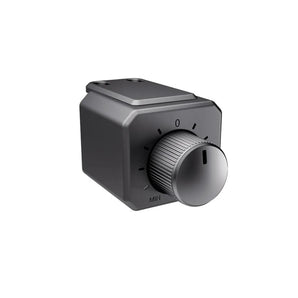
It is stable down to 1 ohm and accepts both pre-in and speaker-in signals, with an optional remote subwoofer volume control (±12 dB).
Key specifications
- Channels: 1 (mono), Class D
- Power (RMS, 14.4 V, 1% THD): 600 W at 4 ohms, 1000 W at 2 ohms, 1200 W at 1 ohm
- Minimum load impedance: 1 ohm
- Bandwidth: 10 Hz to 500 Hz
- Inputs: Pre-in (0.6 to 6 VRMS) and speaker-in (2.2 to 22 VRMS)
- S/N ratio: 105 dBA
- Fuse: 2 x 35 A
- Size (W x H x D): 240 x 47 x 156 mm
Audiophile sound you expect from Audison
The AF M1D delivers one high-fidelity amplified channel — 600 W at 4 ohms, 1000 W at 2 ohms and 1200 W at 1 ohm (continuous RMS power at 14.4 VDC, 1% THD). Higher switching frequencies, steeper filtering and higher-tolerance components push Class D performance well beyond expectation, all in a very compact package.
All in one state-of-the-art platform
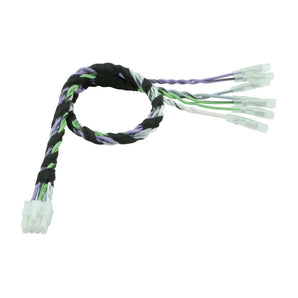
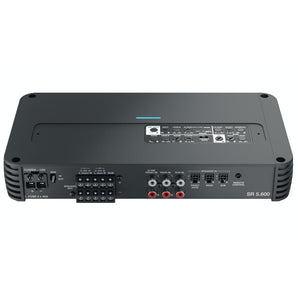
AF companion amplifiers are designed to add powerful amplifier channels to AF bit processor amplifiers. A plug-and-play signal input harness is included to make connection to AF bit amplifiers straightforward. They are also ideal for systems controlled by a standalone bit processor, such as a bit One HD Virtuoso. If you need multi-channel amplification alongside the AF M1D, the Audison SR 5.600 V2 offers 5 channels at 1010 W RMS in an equally compact form.
- Latest generation ADT (Audison D-Class) technology for improved audio performance and power
- Power/volume ratio up to 0.68 W RMS/cm³, reaching 81% efficiency
Explore the full range in Audison Forza.
Specification
| Pulse operating voltage | 6.5 ÷ 17.5 VDC |
|---|---|
| Idling current | 1.2 A |
| Standby current draw | 0.006 mA |
| Remote IN | 4 ÷15 VDC (1 mA) |
| Remote OUT | 6.5 ÷15 VDC (150 mA) |
| Damping factor @ 100 Hz, 4Ω, 2 VRMS | 125 |
| Bandwidth @ -3 dB | 10 Hz ÷ 500 Hz |
| Minimum load impedance | 1 Ω |
| • 1Ch @ 4Ω | 600 W |
| • 1Ch @ 2Ω | 1000 W |
| • 1Ch @ 1Ω | 1200 W |
| Output power @ 4Ω, 1% THD+N, 14.4 V | 600 W |
| SN ratio (ref. 1 W output) | 80,5 dBA |
| Ambient operating temperature range | 0 °C to 55 °C (32 °F to 131 °F) |
| Max size W x H x D (mm/inch) | 240 x 47 x 156 / 9.44 x 1.85 x 6.14 |
| Weight | (kg/lb) 1.95 / 4.3 |
More specs
| |
What's Included
- Audison AF M1D
- Remote In Out Cable
- Pre in Cable
- Speaker Out Cable
- Speaker in Cable
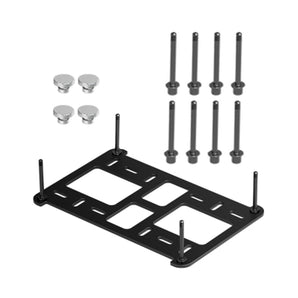
- Install Kit
Audison
About the Audison AF M1D
From our tech experts at CEN
A monoblock subwoofer amplifier from Audison’s Forza range, rated at 1200w RMS.
Who it suits
Anyone driving a subwoofer that needs real, controlled power. Forza combines amplification and bit processing in one chassis.
Our tech experts advise
Matching matters more than headline watts, and gains want setting with a meter rather than by ear. It also needs a fused feed from the battery on the correct gauge. Installation and tuning are priced per vehicle, so get in touch with your make, model and year and we will confirm what it needs. See car audio installation.
Explore the full Audison range at CEN, with fast UK dispatch and expert advice from our Nottingham team. Shop all Audison
Recommended For You
Discover more top-rated gear, handpicked to go with what you're viewing




Audison News & Guides
The latest Audison product news, launches and guides from the CEN team in Nottingham.
Audison Prima APBX 10 AS2 Review: Compact Active Bass Done Properly
The Audison Prima APBX 10 AS2 answers the most common bass request we get: proper low-end from a factory-looking system,...
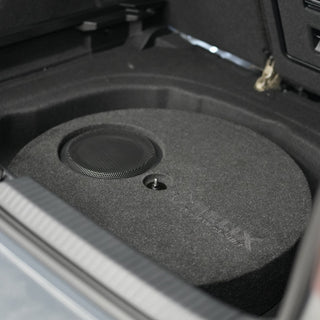
Car Subwoofer Buying Guide: Size, Power and Enclosures Explained
The short version: for most cars, a 10" or 12" subwoofer in a sealed enclosure, driven by a properly matched...
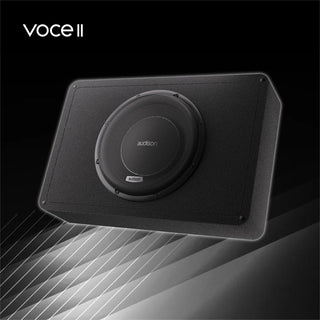
Powerful, Precise Bass with Audison VOCE II Subwoofers
Reproducing low frequencies with authority, precision and dynamic control is essential for achieving a realistic and immersive sound experience. For...
Looking for Installation?
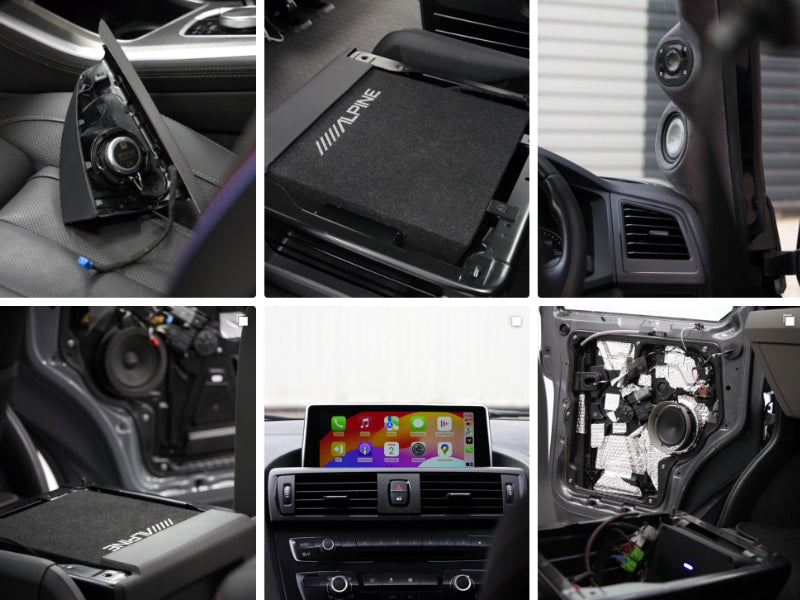
At CEN we take pride in being able to share the quality of our work as well as being able to show what incredible products we have installed week on week.
Elettromedia Brands
Evolution of technology and art of sound




More from Audison Forza
More options from the same range, in stock and ready to go
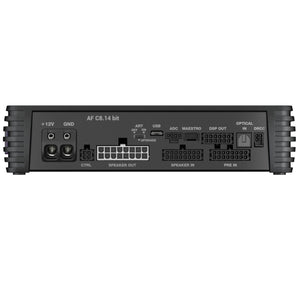
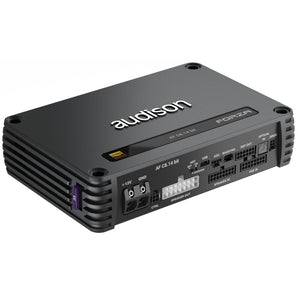
 Best Seller Audison Forza AF C8.14 bit Amplifier 8 Channel Amp and 14 Channel DSP 800w RMS £799.99 /In stock
Frequently Asked Questions
Q: How do I choose the right amplifier for my speakers or subwoofer?
A: Match the amplifier's RMS output per channel to the RMS handling of your speakers or subwoofer at the same impedance. The Specification tab lists the power figures. If in doubt, contact CEN with your setup and we will recommend a match.
Q: What wiring do I need to install this amplifier?
A: You will need an amplifier wiring kit sized to the amplifier's power draw, typically including power and earth cable, a fuse, RCA leads and a remote wire. CEN stocks complete wiring kits, and the amplifier's fuse rating is the guide to the cable gauge required.
Q: What class of amplifier is this and does it matter?
A: Class D amplifiers are compact and efficient, ideal for subwoofers and modern installs. Class AB designs are traditionally favoured for outright sound quality on mid and high frequencies. The class is listed in the Specification tab where provided.
Q: Will an amplifier work with my factory head unit?
A: Yes, in most cases. If your head unit has no RCA outputs you will need a line output converter to feed the amplifier a clean signal. CEN stocks line output converters and can advise the right one for your vehicle.
Q: Can CEN install this amplifier?
A: Yes. CEN offers professional amplifier installation from our Nottingham premises, including secure mounting, wiring and setup. Contact us to book.
Q: How much power does the AF M1D produce?
A: 600 W RMS at 4 ohms, 1000 W at 2 ohms and 1200 W at 1 ohm, measured at 14.4 V and 1% THD.
Q: Is the AF M1D stable at 1 ohm?
A: Yes. Its minimum load impedance is 1 ohm, where it delivers 1200 W RMS.
Q: Can I add a remote bass control to the AF M1D?
A: Yes. It supports an optional remote subwoofer volume control with a range of ±12 dB.
