

In this guide
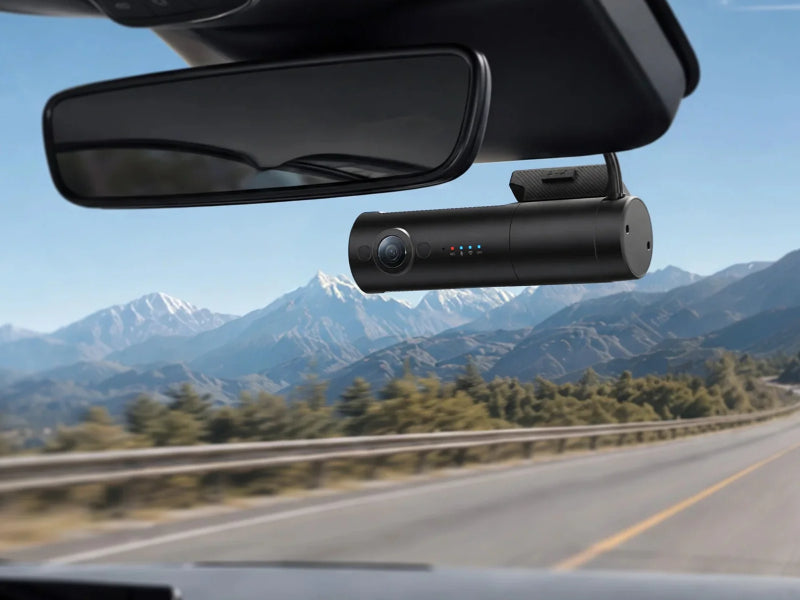
“Wireless dash cam” is one of the most searched dash cam terms in the UK, but it means different things to different people. Some want a camera that connects to their phone, some want one with no cable to the socket, and some want a rear camera with no cable running down the car. Here is what is actually possible, and what works best.
The three meanings of “wireless”
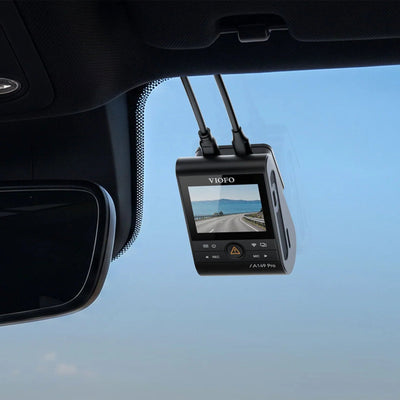
- Wi-Fi to your phone: the camera connects to an app so you can view, download and share footage without removing the memory card. Almost every camera we sell does this, including the VIOFO, BlackVue and Thinkware ranges.
- Battery powered: a camera that runs without a power cable. This is the one that disappoints most people, as explained below.
- A wireless rear camera: a rear camera that talks to the front one without a cable. These are rare, and a cabled rear camera is far more reliable.
Why battery powered dash cams fall short
A dash cam records constantly, and a small built-in battery can only power that for a short time before it needs charging. Batteries also dislike the heat behind a windscreen in summer. That is why most quality dash cams use a supercapacitor instead: it holds just enough charge to save the last file safely when the power cuts, and copes far better with heat. So every dash cam that records reliably needs a power supply while you drive.
How to get a dash cam with no visible wires
The answer is hardwiring. A hardwire kit takes power from the fuse box, and the cable is tucked behind the headlining and pillar trim, so nothing hangs down the windscreen or plugs into the 12V socket. It also unlocks parking mode, with a voltage cut-off to protect your battery. See how to hardwire a dash cam, or let us do it with our dash cam fitting service.
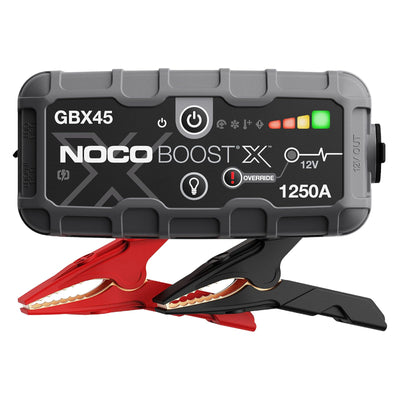
If you want parking coverage without touching the car battery, a dash cam battery pack charges while you drive and powers the camera when parked. That is the closest thing to a truly battery powered dash cam, and it works properly.
What about remote viewing?
If “wireless” for you means checking on the car from anywhere, look at cloud connected dash cams. With a mobile connection in the car, they can send impact alerts and let you view the camera live from your phone.
Which should you choose?
For most drivers, a hardwired Wi-Fi dash cam is the best of every world: no visible wires, phone access to footage and parking mode. If you also want the rear covered, see our front and rear dash cams.
Frequently asked questions
Are there dash cams with no wires at all?
Not ones that record reliably. Every dash cam needs power while you drive. Hardwiring hides the cable completely, which is what most people mean when they ask for a wireless dash cam.
What is a Wi-Fi dash cam?
A dash cam that connects to a phone app over Wi-Fi, so you can view and download footage without taking the memory card out. Most modern dash cams have it.
Do battery powered dash cams work?
Only for short periods. A small internal battery runs down quickly and does not cope well with heat. Most quality dash cams use a supercapacitor and take power from the car instead.
Can a dash cam record when the car is off?
Yes, with parking mode. It needs constant power from a hardwire kit or a dash cam battery pack.
Written by the CEN team in Nottingham. Questions? Contact us or call 0115 924 0666.