









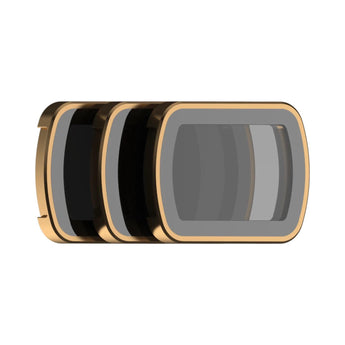
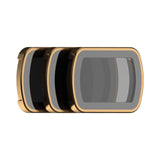
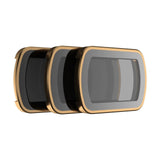
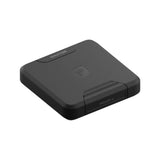

PolarPro Shutter Collection for DJI Osmo Pocket 3 & 4 ND8, ND32 ND128 Filters
Couldn't Load Pickup availability
Shutter Collection | Osmo Pocket 3 & 4
PCKT-SHUTTER
Precision-engineered for the Osmo Pocket 3 & 4
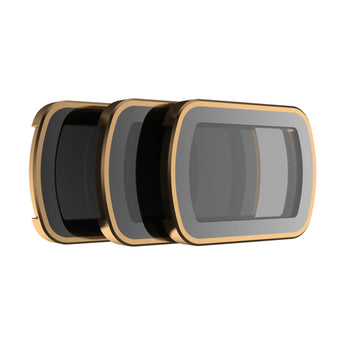
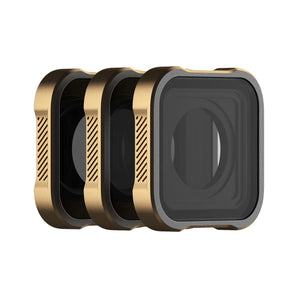
A 3-pack of ND filters built specifically for the DJI Osmo Pocket 3 and 4, helping you achieve cinematic shutter speeds in any lighting condition.
- Includes ND8, ND32, and ND128 filters
- Covers a wide range of conditions — from golden hour to bright midday sun
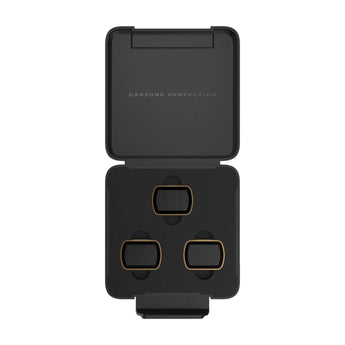
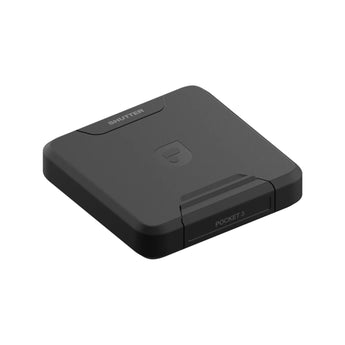
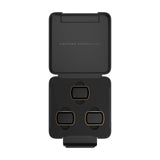
- Comes with a protective storage case
Cinema Series Glass for Razor Sharp Optics
CinemaSeries™ Glass is manufactured in Germany and engineered for optical accuracy.
- Low refractive index for sharp, distortion-free results
- Colour neutral — no unwanted colour cast
- Precise target transmission for consistent exposure control
Explore the full range in Neutral Density Filters.
Specification
| Series | Shutter |
|---|---|
| Article Number | PCKT-SHUTTER |
| Country of Manufacture | China |
More specs
| |
What's Included
- ND8 Filter
- ND32 Filter
- ND128 Filter
- Storage Case
PolarPro
About the PolarPro PCKT-SHUTTER
From our tech experts at CEN
A PolarPro lens filter.
Who it suits
Photographers and film-makers building a filter kit around a system rather than buying one-offs.
Our tech experts advise
Filters are sized to the lens thread, so check yours before ordering — step rings are cheaper than buying twice. get in touch if you are unsure what fits your setup.
Explore the full PolarPro range at CEN, with fast UK dispatch and expert advice from our Nottingham team. Shop all PolarPro
Recommended For You
Discover more top-rated gear, handpicked to go with what you're viewing






Long Exposure
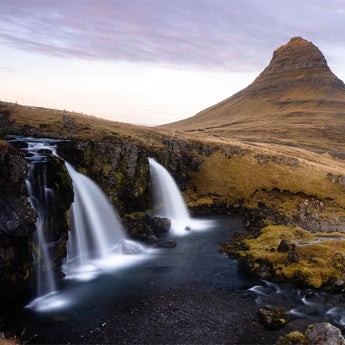
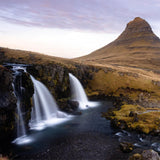
Controls light, unlocking cinematic shutter speeds or long exposure
Explore Now Controls light, unlocking cinematic shutter speeds or long exposure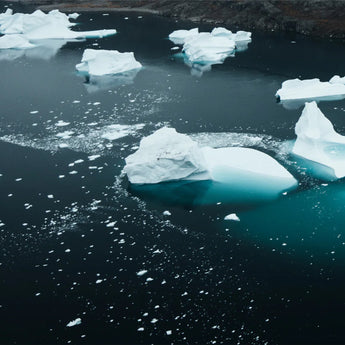
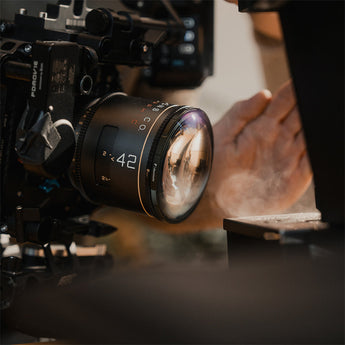
Why you need a CPL Filter
Fine Tune your polarisation and achieve hyper neutral colour rendition. The Staple Filter in every photographers bag, reduce reflections and increase color depth.


More from Neutral Density Filters
More options from the same range, in stock and ready to go

-
PolarPro Peter McKinnon Chroma VND/PL 2-5 Stop 77mm CP Polariser Lens CPL Filter £249.99 /Low stock


 Best Seller PolarPro Vivid Collection DJI Mavic 4 Pro Drone ND4/PL ND16/PL ND64/PL Filters £139.99 /Low stock
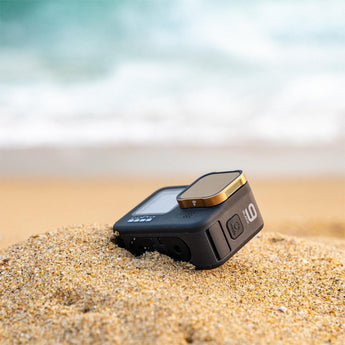
 Save 13% Popular PolarPro Shutter Collection GoPro HERO 9 10 11 12 13 ND8, ND16, ND32 Filters RRP
£79.99£69.99 / Save 13%In stock
 Save 38% Popular PolarPro Vivid Collection Filter Set for DJI Mini 4 Pro RRP
£79.99£49.99 / Save 38%Low stock


Frequently Asked Questions
Q: Which filter do I need - ND, polariser or variable ND?
A: A polariser cuts glare and deepens colour. Fixed ND filters reduce light by a set amount for controlled shutter speeds. Variable NDs adjust across a range, making them the flexible choice for video. The filter type and strength are listed in the Specification tab.
Q: Will this filter fit my lens or drone?
A: Filters are made per thread size or per drone model. Check the size in the product title and Specification tab against your lens thread or drone model, or contact CEN to confirm.
Q: Why use an ND filter for video?
A: An ND filter lets you keep your shutter speed at roughly double your frame rate in bright light, which produces natural motion blur instead of a harsh, choppy look.
Q: Do filters degrade image quality?
A: Quality glass filters are designed to be optically neutral. Cheap filters can introduce colour casts and softness, which is why we stock cinema-grade brands with strong colour accuracy.
