












Dynamat Dynaliner 3mm 1/8" Insulator Sound Proofing Mat Acoustic Foam DYN11101
Couldn't Load Pickup availability
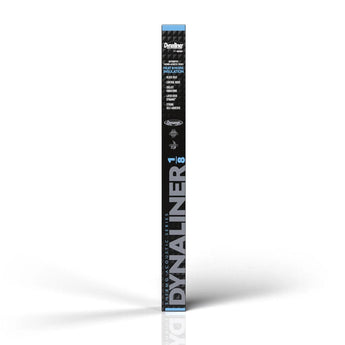
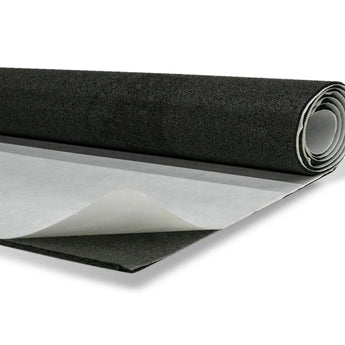
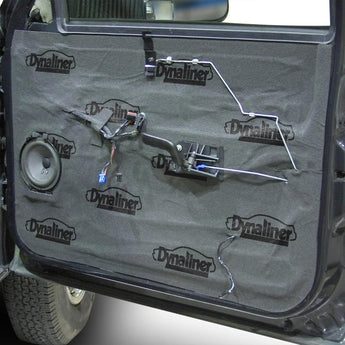
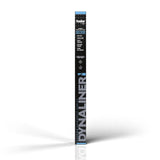
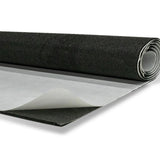
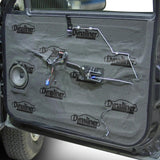
Dynamat Dynaliner 1/8" (part 11101) is a 3.18mm self-adhesive closed cell rubber foam insulator that blocks heat, resists oil and water and adds acoustic absorption on top of Dynamat Xtreme. One 32" x 54" sheet covers 12 sq.ft (1.12 sq.m) and the 1/8" thickness is best for Under Trim (Doors) and Fibreglass Enclosures.
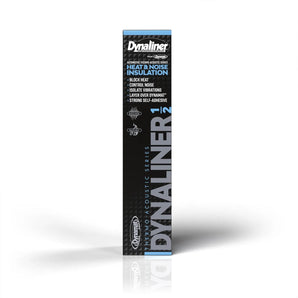
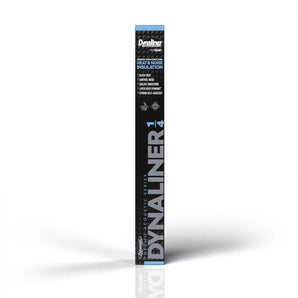
Dynaliner is also available as Dynaliner 1/4" (6mm) and Dynaliner 1/2" (12mm).
Key specifications
- Part number: DYN11101
- Thickness: 1/8" (3.18mm)
- Sheet size: 81.3cm x 137.2cm (32" x 54")
- Coverage: 1.12 sq.m (12 sq.ft), 1 sheet
- Material: closed cell rubber foam
- Purpose: heat blocking, absorption, isolation and insulation
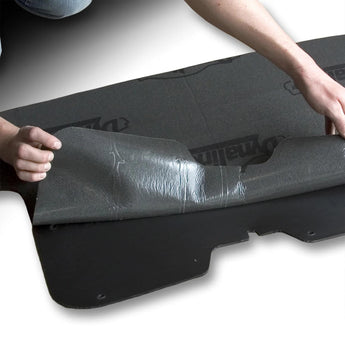
- Fitting: self-adhesive
Dynaliner 1/8"
Part number: 11101
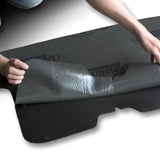
1/8" thickness best for Under Trim (Doors) and Fibreglass Enclosures.
Dynaliner is a lightweight automotive thermal insulator, ideal for use on top of Dynamat Xtreme. It is a soft, self-adhesive closed cell rubber with thousands of cells packed extremely close together, which gives the material near zero air infiltration. This is the key to its ability to reduce heat, as well as resist oil and water. Since it will not hold water, it will not promote rust or mildew. Dynaliner is also durable enough to be crush and tear resistant, and because of its durability and resistance to oil and water, it is long lasting.
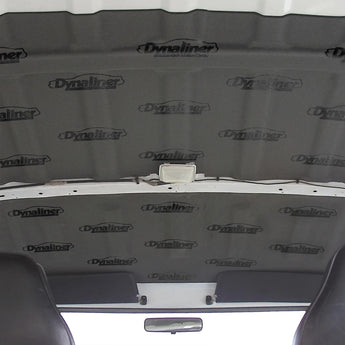
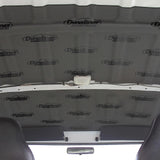
Dynaliner offers high heat blocking properties for a single layer synthetic foam. Combined with Dynamat, Dynaliner nearly doubles the total thermal resistance. It provides excellent insulation for the roof, firewall, floor, quarter panels, doors and even under the bonnet. Dynaliner is available in 1/8", 1/4" and 1/2" thicknesses. Use the thickest one that your space will allow.
Explore the full range in Dynamat.
Specification
| Series | Dynaliner |
|---|---|
| Article Number | 11101 |
| Country of Manufacture | China |
More specs
| |
What's Included
- One Dynaliner 1/8" Thick Sheet
Dynamat
About the Dynamat 11101
From our tech experts at CEN
Acoustic absorbing foam, for soaking up the reflections a hard-surfaced vehicle interior creates, 3mm from Dynamat.
Who it suits
Van and camper conversions, and anywhere road and wind noise is the problem rather than panel resonance. Foam and butyl do different jobs and work best together.
Our tech experts advise
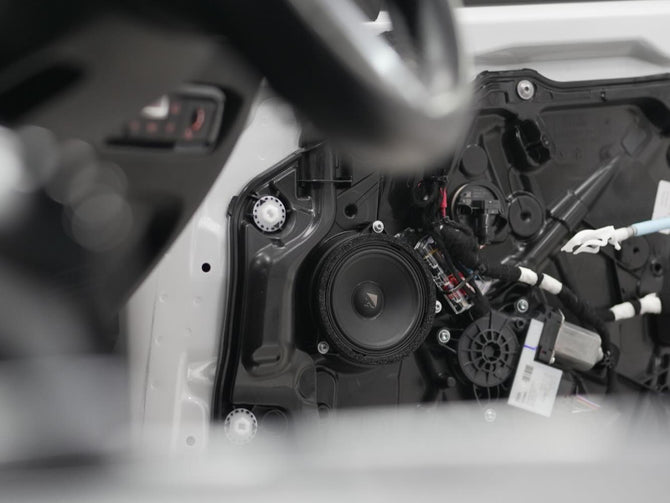
Coverage matters more than thickness: treat the outer skin behind the speaker first, then the inner. It is messy, fiddly work inside a door, which is why we normally do it as part of an install rather than sell it as a weekend job. Installation is priced per vehicle, so get in touch with your make, model and year and we will confirm what it needs. See car audio installation.
Explore the full Dynamat range at CEN, with fast UK dispatch and expert advice from our Nottingham team. Shop all Dynamat
Recommended For You
Discover more top-rated gear, handpicked to go with what you're viewing









Looking for Installation?
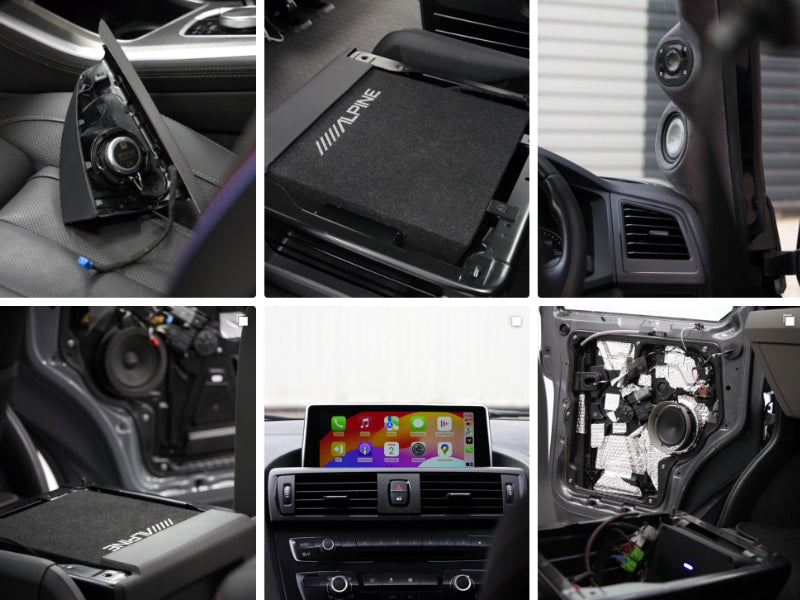
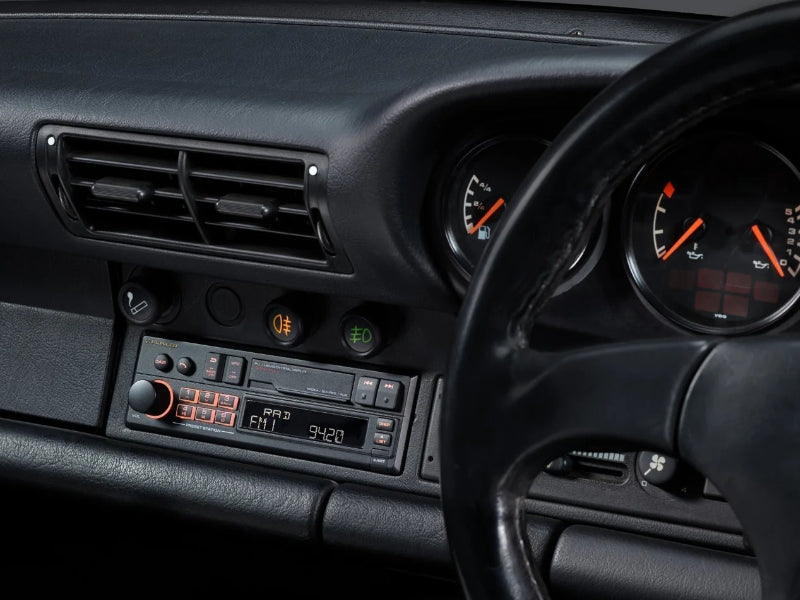
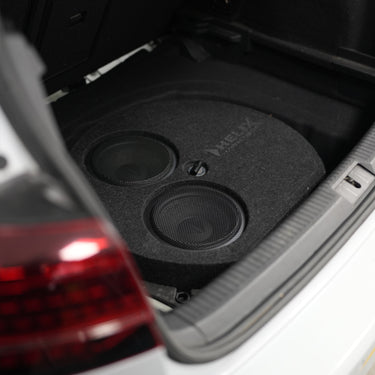
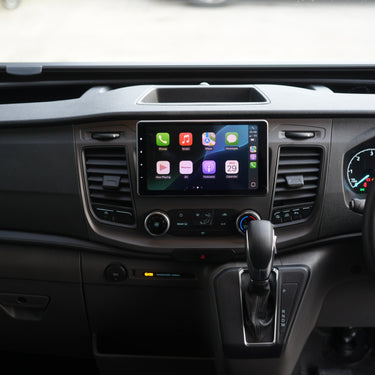
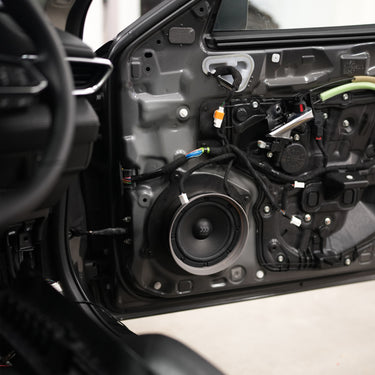
At CEN we take pride in being able to share the quality of our work as well as being able to show what incredible products we have installed week on week.
More from Dynamat
More options from the same range, in stock and ready to go

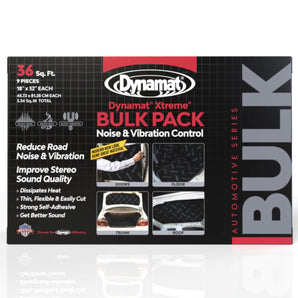
 Save 17% Best Seller Dynamat Xtreme Bulk Pack Car Sound Proofing Extreme Deadening Noise Reduction RRP
£239.99£199.99 / Save 17%In stock
 Save 17% Best Seller Dynamat Dynaliner 6mm 1/4" Insulator Sound Proofing Mat Acoustic Foam DYN11102 RRP
£119.99£99.00 / Save 17%Low stock
 Save 20% Best Seller Dynamat Dynaliner 12mm 1/2" Insulator Sound Proofing Mat Acoustic Foam DYN11103 RRP
£149.99£119.99 / Save 20%Low stock
 Save 8% Staff Pick Dynamat Xtreme Hex Pack 1 Sheet Car Van Deadening Sound Proofing Damping Mat RRP
£37.99£34.99 / Save 8%In stock
 Save 10% Dynamat Xtreme Door Pack 4 Sheets Car Van Deadening Sound Proofing Damping Mat RRP
£99.99£89.99 / Save 10%In stock
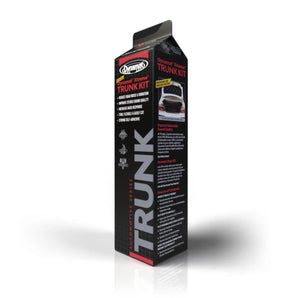 Save 12% Dynamat Xtreme Trunk Kit 5 Sheets Boot Sound Deadening Damping Mat 19405 RRP
£169.99£149.99 / Save 12%In stock

Frequently Asked Questions
Q: How much sound deadening do I need for my car?
A: As a guide, a pair of front doors takes around 1 to 1.5 square metres, and a full car between 4 and 6 square metres depending on coverage. The sheet coverage for this product is listed in the Specification tab.
Q: Where should I apply sound deadening first?
A: Doors give the biggest gain for both road noise and speaker performance, followed by the boot floor and wheel arches. Even a doors-only install noticeably tightens speaker bass.
Q: Is sound deadening difficult to fit myself?
A: It is one of the more DIY-friendly upgrades: panels are cut to shape, peeled and rolled firmly onto clean metal. A roller tool and panel removal tools make the job much easier, or CEN can carry out installation from our Nottingham premises.
Q: Will sound deadening improve my audio system?
A: Yes. Deadening the doors reduces panel resonance so speakers produce cleaner, tighter bass, and lowering road noise means you hear more detail at normal volumes.
Q: Which Dynaliner thickness should I choose?
A: Use the thickest one your space allows. Dynamat recommends 1/8" for under trim (doors) and fibreglass enclosures, and 1/4" or 1/2" for floor, roof, underhood and fibreglass enclosures.
Q: Should Dynaliner be fitted on its own or over Dynamat?
A: Dynaliner is designed to go on top of Dynamat Xtreme. Combined with Dynamat it nearly doubles the total thermal resistance.
