





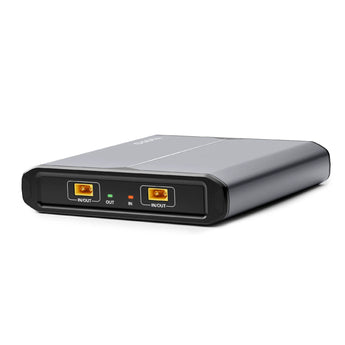
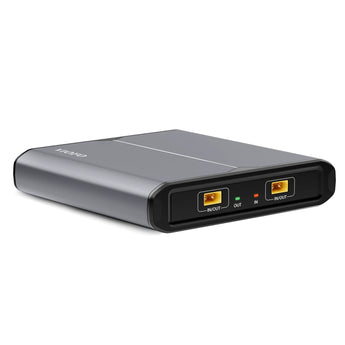
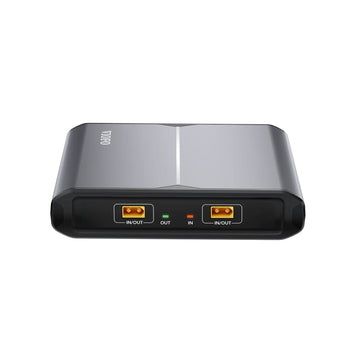
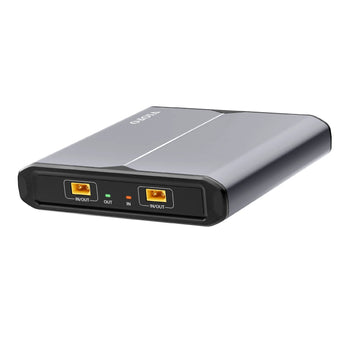
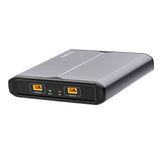
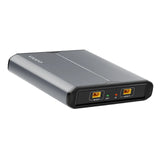

Viofo EP100 Expansion Battery for BP100 Expand Capacity for Longer Parking Mode
Couldn't Load Pickup availability
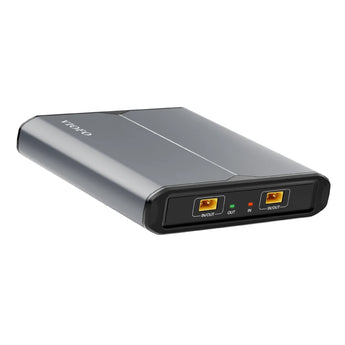
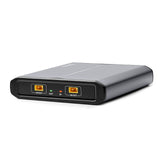
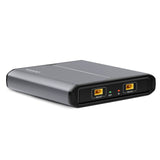
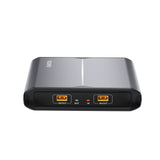
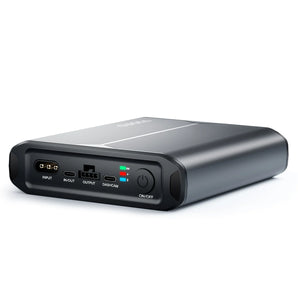
VIOFO EP100 Expansion Battery
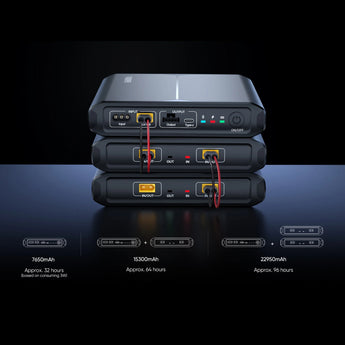
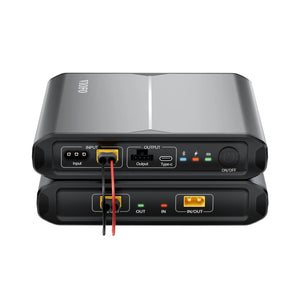
Expansion Battery for BP100 Battery Pack, Easy to Expand Capacity for Much Longer Parking Recording
EP100 cannot operate independently and must be used with BP100
Expansion Battery
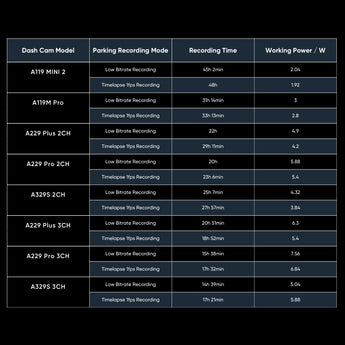
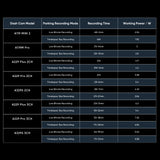
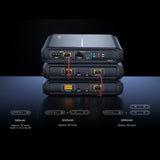
The EP100 expansion battery is designed to easily add the capacity to the BP100 dash cam battery pack. Expand your power up to 22950mAh for much longer parking recording with 1X BP100 and 2x EP100
Explore the full range in Battery Packs.
Specification
| Capacity | 12.8V / 7650mAh / 98Wh |
|---|---|
| Battery | Type LiFePO4 |
| Charging Operating Temperature | 0°C ~ 50°C (32°F ~ 122°F) |
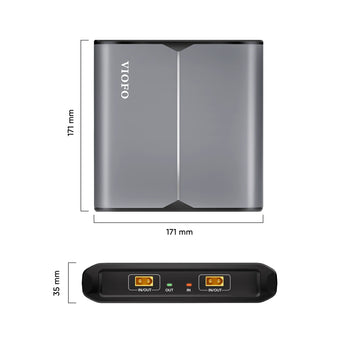
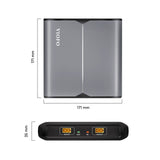
| Dimensions | 171 mm (L) x 171 mm (W) x 35 mm (H) |
| Weight | 1.10 kg |
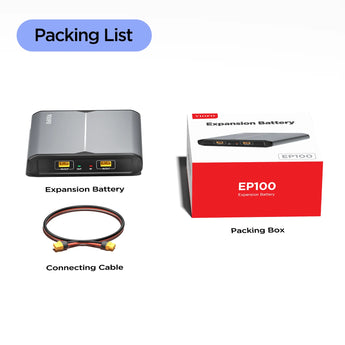
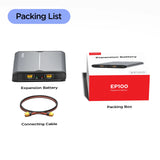
What's Included
- EP100 Expansion Battery
- Connecting Cable
Bundle & Save

About the brand
Viofo
Recommended For You
Discover more top-rated gear, handpicked to go with what you're viewing


Viofo Series
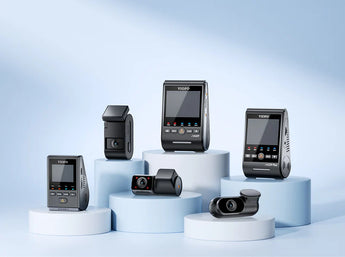
Discover the Viofo lineup

A329 Series

A229 Ultra Series

A229 Pro Series

A229 Plus Series
More from Battery Packs
More options from the same range, in stock and ready to go

 New Release Viofo BP60 Dash Cam Battery Pack for Parking Mode Protection 5000mAh Capacity £199.95 /Pre Order
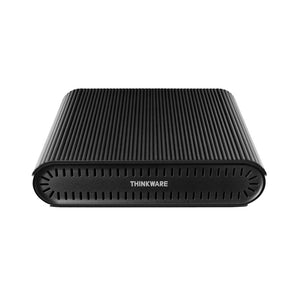 Save 10% Thinkware iVolt Mini External Dash Cam Battery 4500mAh RRP
£199.00£179.00 / Save 10%Low stock
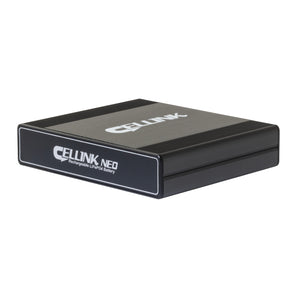 Popular Cellink NEO 6S Dash Cam 6,000mAh Powerbank Battery Pack Extended Parking Mode £249.00 /In stock
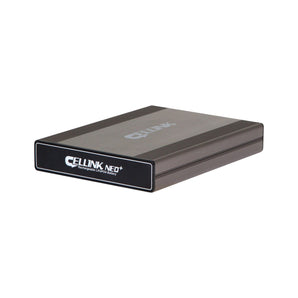 Just Arrived Cellink NEO 80+S Dash Cam 7,800mAh Powerbank Battery Pack Extended Parking Mode £319.00 /In stock
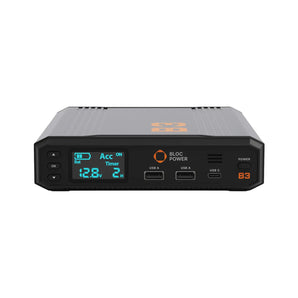 Save 5% Popular Bloc Power B3 12000mAh Dash Cam Battery for Extended Parking Mode 50 Hours RRP
£369.95£349.95 / Save 5%In stock
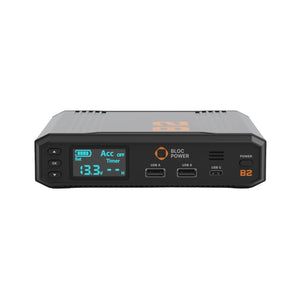 Save 7% Popular Bloc Power B2 8000mAh Dash Cam Battery for Extended Parking Mode 35 Hours RRP
£269.95£249.95 / Save 7%In stock


Frequently Asked Questions
Q: What SD card do I need for this dash cam?
A: Use a high-endurance microSD card designed for continuous recording. Standard cards wear out quickly in dash cams. CEN stocks suitable high-endurance cards, and the maximum supported capacity is listed in the Specification tab.
Q: Does this dash cam record while the car is parked?
A: Parking mode is listed in the Specification tab. Where supported, it requires constant power from either a hardwire kit or a dedicated dash cam battery pack, both of which CEN stocks.
Q: Do I need to hardwire the dash cam?
A: Not necessarily. All dash cams work from the 12V socket for drive recording. Hardwiring hides the cabling and enables parking mode, and CEN offers professional hardwire installation from our Nottingham premises.
Q: Will the footage be accepted by my insurer or the police?
A: Dash cam footage is widely used in insurance claims and can be submitted to most UK police forces through their online portals. Recording quality matters, so check the resolution in the Specification tab.
Q: Front only or front and rear - which should I choose?
A: A front camera covers the most common claim scenarios. A two-channel system adds rear coverage for rear-end collisions and tailgating evidence, which is where many disputed claims arise. Three-channel systems add an interior view, suited to taxi and fleet use.
